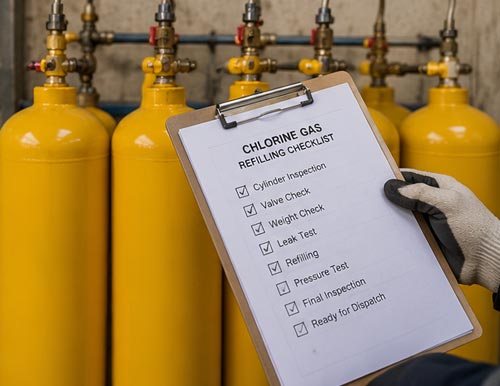
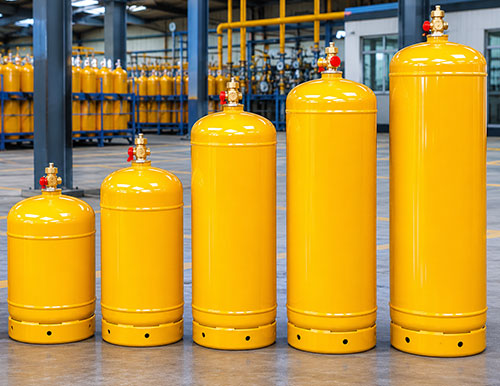
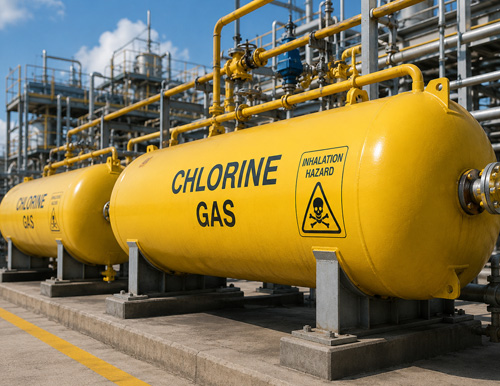
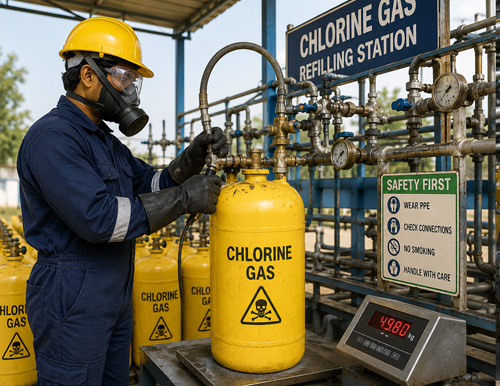
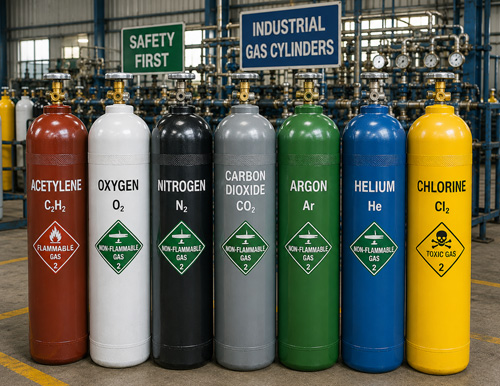
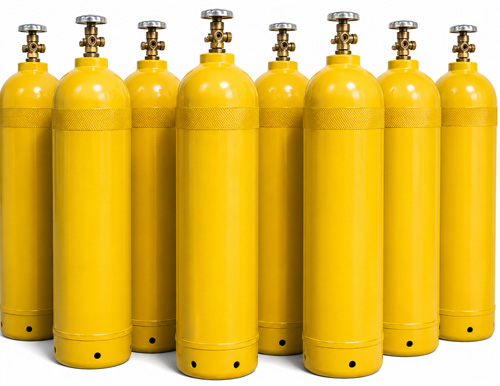
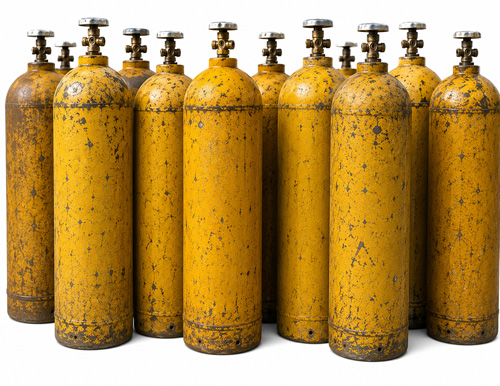
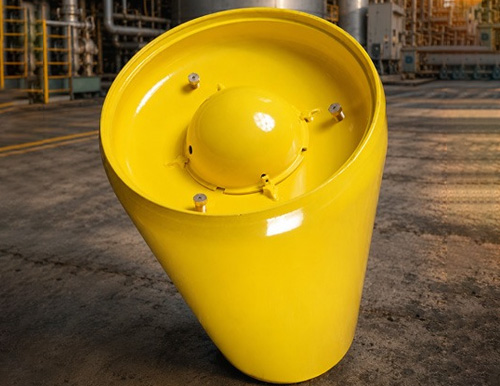
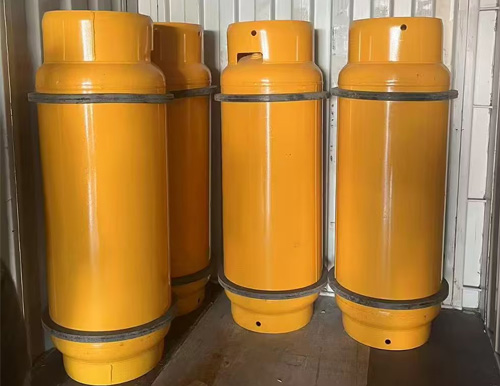
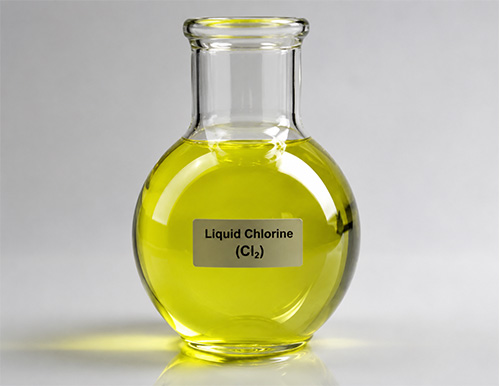
Liquid chlorine gas is a hazardous, pressurized, and corrosive substance, so it must be handled by trained personnel using proper PPE (gas masks, gloves, and protective clothing), stored in dedicated, well-ventilated areas away from heat sources, and transported using certified cylinders/tonners that comply with IMDG and DG (Dangerous Goods) regulations.