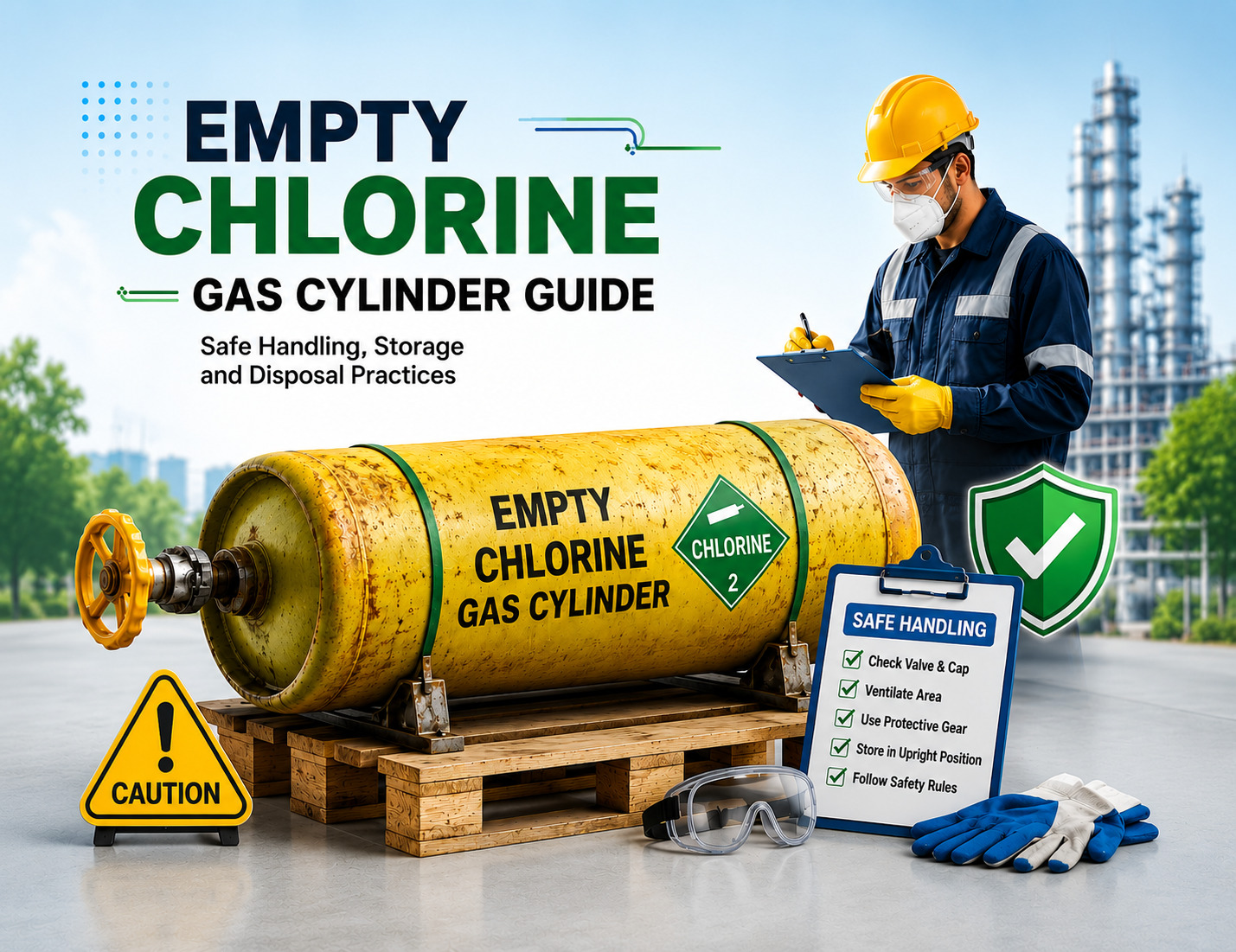
Chlorine Cylinder Safety Guide
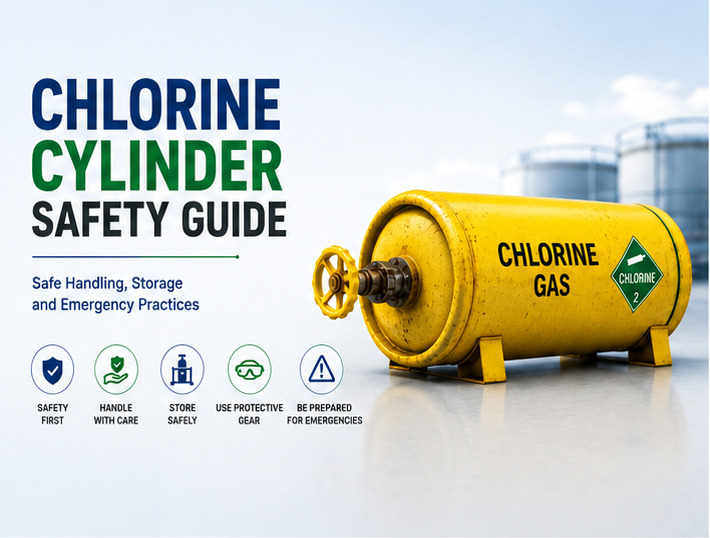
Industries that use chlorine cylinders include water treatment, chemical production, pharmaceutical, textiles and sanitation. Since all chlorine cylinders are stored under pressure, it is important that proper cylinder safe handling procedures are used to ensure the protection of the worker, the facility and the environment. This Chlorine Cylinder Safety Guide provides information on how to handle cylinders safely, their storage needs, inspection techniques, transportation guidelines, and maintenance practices. To maintain safe and efficient operations, industries that depend on cylinders from relied-on MS Chlorine Cylinders Manufacturers in Mumbai and trusted MS Chlorine Cylinders Suppliers should adhere to these recommendations.
What are Chlorine Cylinders?
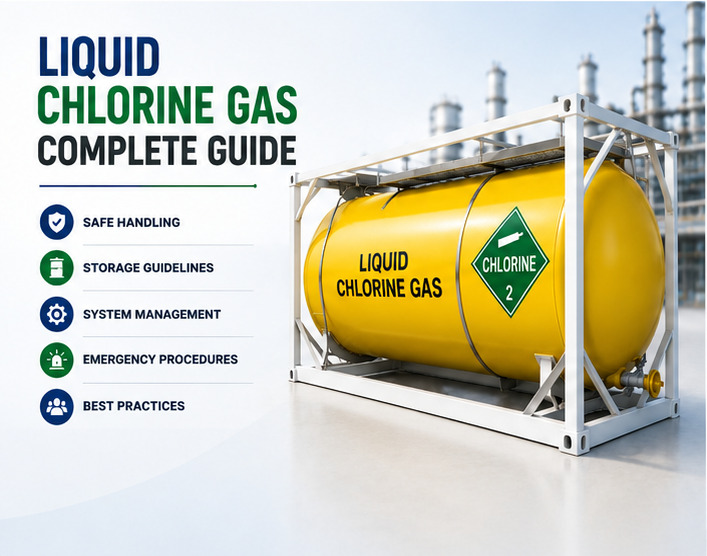
A chlorine cylinder is a special type of pressure vessel that is used to store and transport liquid chlorine under pressure. These are cylinders produced to industrial standards and are used in a variety of industrial, chemical, pharmaceutical, and municipal projects, including water treatment plants.
When it comes to choosing a supplier, one of the key aspects companies look for is the quality of the cylinder's construction, adherence to regulations, and its durability.One of the most important factors that companies consider when choosing a supplier of cylinders is the quality of the construction, the adherence to the regulations, and the durability of the cylinder.
What is the "quick overview" of chlorine cylinders?
| Feature | Details |
| Product Type | Chlorine Storage Cylinder |
| Material | Mild Steel (MS) |
| Usage | Storage & Transportation of Chlorine |
| Industry Applications | Water Treatment, Chemical Processing |
| Storage Method | Pressurized Container |
| Safety Requirement | Regular Inspection & Maintenance |
Why Chlorine Cylinder Safety is Important
Chlorine is a good industrial chemical, but can pose operational and safety hazards if not handled properly. Adhering to safety protocols minimizes risks and conforms to safety standards.
The advantages of good safety procedures:
- Improved workplace safety
- Reduced accident risks
- Extended cylinder life
- Better operational reliability
- Regulatory compliance
- Protection of personnel and assets
Handling Chlorine Cylinders safely
Use Trained Personnel
Chlorine cylinders should only be handled by trained and authorized personnel.
Avoid Rough Handling
Do not drop, drag, roll or allow cylinders to impact while moving them.
Use Appropriate Equipment
Use approved lifting devices, cylinder trolleys and handling equipment for cylinder transport in a facility.
Verify Cylinder Identification
Check labels, markings and documentation before using.
Personal Protective Equipment (PPE)
Personnel working with chlorine cylinders should wear suitable protective equipment.
Recommended PPE
- Safety Goggles
- Chemical Resistant Gloves
- Protective Clothing
- Safety Footwear
- Respiratory Protection Equipment
Wearing the correct protective equipment minimises risks from exposure and contributes to a safe working environment.
Safety Rules for Storage of Chlorine Cylinders
Safety Rules for Storage of Chlorine Cylinders
Store Cylinders Upright
Safety Rules for Storage of Chlorine Cylinders
Maintain Ventilation
Ventilation is important in storage areas, because gases can accumulate, causing problems.
Protect from Heat Sources
Never place cylinders in direct sunlight, near open flames or in extreme heat.
Restrict Access
Chlorine storage areas should be limited to trained personnel.
Conduct Regular Inspections
These regular checks detect any wear, corrosion or mechanical issues before it becomes a problem.
The inspection procedures for chlorine cylinders.
These regular checks detect any wear, corrosion or mechanical issues before it becomes a problem.
Visual Inspection Checklist
Check for:
- Corrosion
- Surface damage
- Valve condition
- Label readability
- Structural integrity
Leak Detection
Routine leak checks should be done in accordance with accepted procedures and equipment.
Documentation Review
Check and Confirm Records of Inspections and Maintenance History on a regular basis.
Each organization that purchases products, services or supplies from MS Chlorine Cylinders Suppliers should have inspection schedules in place throughout the life of the cylinders.
Transportation Safety for Chlorine Cylinders
Care must be taken in planning transportation and with respect to applicable regulations.
Transportation Best Practices
- Secure cylinders securely on the way to job site.
- Use accepted modes of transportation.
- Check cylinder condition prior to loading.
- Maintain good hazard labeling.
- Maintain emergency response procedures.
Transportation Safety Checklist
| Requirement | Purpose |
| Secure Positioning | Prevent Movement |
| Proper Labeling | Regulatory Compliance |
| Cylinder Inspection | Risk Reduction |
| Trained Personnel | Safe Handling |
| Emergency Preparedness | Incident Management |
Safety precautions for second hand chlorine cylinders.
A lot of industries opt for refurbished cylinders because of its benefits and the requirements of the business. But verification of safety is necessary prior to use.
Before buying, you should know the following:
- Structural condition assessment
- Hydrostatic testing records
- Valve inspection
- Certification verification
- Maintenance history review
When buying from trusted Second Hand Chlorine Cylinders Suppliers, it's crucial that buyers confirm that all cylinders are compliant with relevant safety standards before use.
Benefits of Using Certified Second Hand Chlorine Cylinders
Properly inspected and certified cylinders can deliver reliable service as second-hand cylinders.
Advantages
- Cost-effective solution
- Suitable for industrial applications
- Available for immediate deployment
- Sustainable equipment utilization
It is preferred that many buyers would work with established Second Hand Chlorine Cylinders Exporters in India, which have taken careful measures to ensure quality and inspection.
Common Mistakes to Avoid
Ignoring Inspection Schedules
Failure to conduct inspections can escalate business risks.
Improper Storage Conditions
Safety could be affected by lack of air flow and heat exposure.
Untrained Handling
Keeping equipment in good condition helps avoid equipment failure.
Delayed Maintenance
Keeping equipment in good condition helps avoid equipment failure.
Inadequate Emergency Planning
Each facility should have an emergency response plan on file.
Emergency Response Guidelines
If facilities are involved with chlorine cylinders, they need to be ready for the unexpected.
Emergency Preparedness Measures
- Leak detection systems
- Emergency shutdown procedures
- Evacuation plans
- First aid resources
- Communication systems
Employee Training
Training programmes should cover:
- Cylinder handling procedures
- Leak response actions
- Emergency evacuation
- Safety equipment usage
Choosing a Reliable Chlorine Cylinder Supplier
The supplier is a key factor in operational safety.
Factors to Consider
| Factor | Importance |
| Product Quality | Safe Performance |
| Industry Experience | Reliable Support |
| Compliance Standards | Regulatory Assurance |
| Inspection Records | Safety Verification |
| Technical Assistance | Operational Support |
Companies may opt for the trusted MS Chlorine Cylinders Manufacturers in Mumbai for their reliability and quality.
Why Choose Yura Chem International?
Yura Chem International is dedicated to delivering high-quality solutions for Chlorine Cylinders, promoting industrial safety, and enhancing operational efficiency. The company has a number of clients in the water, chemical processing, pharmaceutical, manufacturing, and sanitation sectors.
Working with Yura Chem International brings numerous benefits, such as:
- Industry-focused expertise
- Quality-driven approach
- Reliable product availability
- Safety-oriented practices
- Technical support assistance
- Customer-focused service
Any organization looking for reliable MS Chlorine Cylinders Suppliers and professional Second Hand Chlorine Cylinders Exporters in India can leverage on expert advice and quality-focused solutions.
Conclusion
Safety in chlorine cylinder handling is paramount to the safety of the people, equipment and industrial process. Reliability is enhanced and risks are reduced through proper handling, storing, inspection, maintenance and transport. No matter whether you are looking for MS Chlorine Cylinders Manufacturers in Mumbai, MS Chlorine Cylinders Suppliers, Second Hand Chlorine Cylinders Exporters in India, or Second Hand Chlorine Cylinders Suppliers, businesses should always seek safety, compliance, and product quality. Yura Chem International is still dedicated to provide reliable chlorine cylinder service and solution to industries.